R.I.P. Spirit
A huge airline closed. I think it was inevitable.
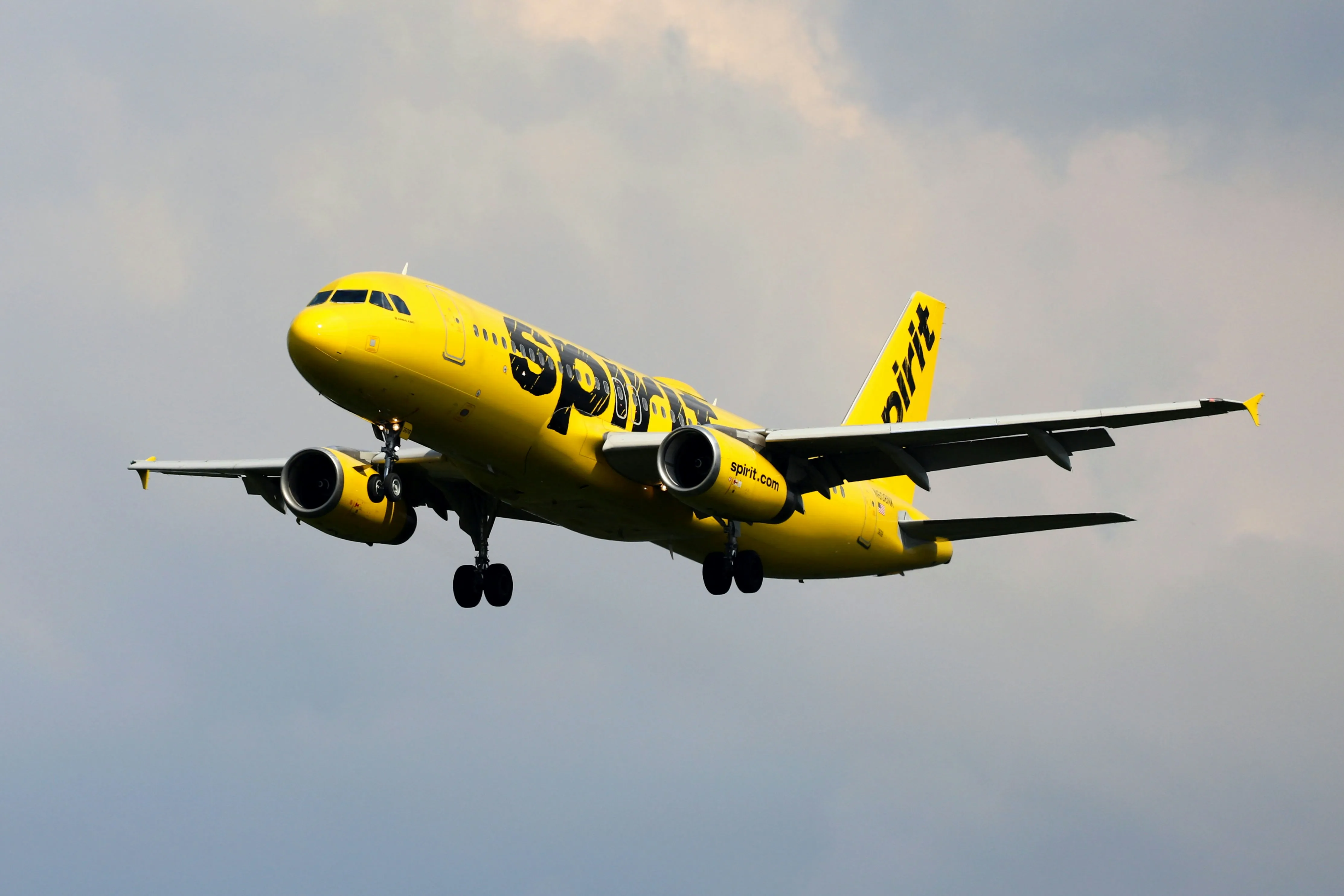
Photo by Forsaken Films on Unsplash
In my first blog about strategy, I called out Southwest as a company who (at least originally) had a true strategy. Spirit Airlines was, in some ways, a spiritual successor to Southwest: an airline targeting budget conscious consumers. I think that the differences, though, explain exactly why Spirit no longer exists.
“Be the cheapest” turns out to be hard
I think you could summarize Spirit’s strategy as be United, but cheaper. Think about the companies who are known as “the cheap option:”
- Walmart
- Shien/Temu
- McDonald’s? But not anymore … and also I love McDonald’s
- Spirit Halloween

Spirit Halloween you say? What a coincidence…
While being the cheapest is technically a strategy (I would argue that the strategy is actually target the cost-conscious consumer), it turns out to be incredibly hard to pull off. There are very few companies that have found long term success in this way.
The good part
The main tactic Spirit used to achieve being the low cost carrier is unbundling. When you buy a fare on United, you’re not just getting the physical seat. You’re technically also getting:
- The ability to choose which seat
- The ability to bring a carry-on
- A snack
- A drink
- etc.
Spirit’s approach was to let people opt in (and pay for) all that extra stuff. Expand the customer base by lowering the floor.
At face value, this seems like a good bet, but let’s put it through the strategy test and see if it holds up.
✅ It forces you to give up something (customers or capabilities)
Check. You’re giving up business customers and you might even say be giving up “middle” customers. Spirit is for budget conscious people only.
✅ It helps you make decisions
Check. A few examples:
How many seats should we have?
Well our customers will tolerate less legroom so … as many as possible?
How much bin space do we need?
Well many of our customers won’t have a carry-on, so maybe less bin space.
Should we include [insert thing here] in the price?
Nope. Let the customer decide if they want to pay for it.
❌ It’s not easy to replicate
Fail. It’s actually super easy for the big players to copy this. Notice how everyone now has a “basic economy” fair? United and everyone else was easily able to accommodate this option in their existing business. And United also has more flights to more places, so no incentive for anyone to choose Spirit.
Other headwinds
So in the real world, a bad strategy might still mean that you can survive, and survive Spirit did for a long time. It was the butt of many a joke but still had a reasonably loyal customer base.
But the core weakness of a low cost player is the sensitivity to input costs. If you want to be the low cost player, your approach is simple:
Accept lower unit margins, but make up for the margins with volume
Walmart has very low prices but they sell a ton of shit to a ton of people. It works!
One very dangerous risk, though, is that you’re highly sensitive to the costs of your inputs. If you make cotton t-shirts, you better believe that the price of cotton will make or break you.
Walmart sells many different things. They take advantage of diversification to make the risk of input costs manageable, and they are notorious for aggressively putting the screws to suppliers to give them better prices.
Here is a summary of the most important input costs for airlines, in no particular order:
- Buying and maintaining planes
- Fuel
- Fees for accessing to airports
- People to operate the planes and gates.
Lets dig in to each one
Planes
Spirit mainly flies Airbus A320 planes, so similar to Southwest, they have minimized their investment and operational costs to keep planes in the air.
Airport fees
NBD. Everybody gotta pay em. They scale linearly.
People
People are expensive, but also they’re people. So shut up and give them the monies.
Fuel
This one is tough. As we all know, the price of gas is always somehow too high. And the truth is simple: this is supply and demand at its purest. We (all humans on earth) have a very limited supply of oil (black dinosaur sludge). Oil is the grim reaper of many industries, but especially for airlines.
Like Southwest … but not quite
You might be thinking “but how come Southwest is still around? Aren’t they basically the same?” Well, yes and no. The big difference (at least in the good ole days) was that Southwest made many moves that were hard to replicate. Flying only one type of plane to reduce costs is hard to replicate. Flying point to point from lower traffic airports is hard to replicate. Combine those with the other smaller tactics like open seating and free checked bags and you have a pretty defensible position.
Well if it isn’t the consequences of my own actions…
Spirit was facing competition from the big airlines and then its costs exploded. The end.
I know that’s simple and boring, but that’s pretty much it. We think these big companies and CEOs are perceptive and strategic, but for the most part, they’re trying their damnedest to shape the world to fit their decisions. Much of the time that works. They’re big enough and powerful enough to keep on life support. But sometimes, the big boys still fail. And that’s what happened to Spirit. I’m sorry that air travel is now less accessible to many people.